
For immediate professional hoarding cleanup service, contact Bio-One of Durham 24/7 at (919) 800-9435. Your health and peace of mind are our top priorities. Let our expert local team help you restore your environment to a safe and clean condition.
When cleaning up a cluttered home, most people think of typical house cleaning tasks like dusting, vacuuming, and organizing. However, there's a significant difference between cleaning an untidy house and tackling the daunting task of hoarding cleanup.
Hoarding goes far beyond simple clutter and often presents complex challenges that require professional intervention.

One of the primary reasons hoarding cleanup is distinct from regular house cleaning is the presence of biohazard contamination. Biohazards can cause diseases in humans and can also cause other effects, such as poisonings, or provoke an allergic response.
Sometimes, hoarding animals (like cats) is part of the hoarder's compulsion. Animal hoardings are especially sensitive. Animal hoarding is unhealthy and dangerous for both the occupants of the space and the animals themselves. The combination of feces, urine, and unsanitary filth creates biohazards that risk the health of all living things in that space.
These biohazards found in a hoarder’s home pose serious health risks, including the spread of diseases and infections. Attempting to clean up such biohazards without proper protection can lead to serious health consequences.
Cleaning up biohazardous materials requires specialized training, equipment, and adherence to safety protocols. Professional hoarding cleanup teams are equipped with personal protective equipment (PPE), including masks, gloves, and suits to shield them from biohazard exposure. They follow strict protocols to ensure thorough decontamination and disposal, reducing the risk of disease transmission.
Hoarder homes provide ideal environments for pests and rodents to thrive. Accumulated clutter offers hiding spots and food sources for these unwanted guests. Rats, cockroaches, flies, and other pests are often lured to the house by animal waste and rotting food. These pests and rodents are biological agents that spread diseases to animals and humans living in these unsanitary conditions.
Rodent infestations are common in hoarding situations, with rodents finding shelter in the vast clutter and abundant food sources. Infestation of rodents in and around the home is the main reason disease spreads from rodents to people. In addition, these pests can cause structural damage and contaminate surfaces with feces and urine. Attempting to handle a rodent infestation during a hoarding cleanup without professional expertise can worsen the problem.
Removing pests without professional help can lead to inadequate solutions and potential harm. Professional hoarding cleaners are trained to identify and address pest infestations effectively. They use appropriate extermination methods and ensure that all infested areas are thoroughly cleaned and sanitized.
Hoarding environments often suffer from poor ventilation and excess moisture due to blocked windows and plumbing issues. These conditions create a breeding ground for mold. Mold growth is unsightly and hazardous to health, causing respiratory problems and allergies.
For some people, mold can cause a stuffy nose, sore throat, coughing or wheezing, burning eyes, or skin rash. People with asthma or who are allergic to mold may have severe reactions. Immune-compromised people and people with chronic lung disease may get lung infections from mold.
Mold spores are airborne and can quickly spread to other areas of the home, leading to extensive contamination. Attempting to address mold growth in a hoarding environment without proper training and equipment can result in inadequate removal and the potential for health issues.
Removing mold from hoarded spaces requires protective gear, specialized cleaning agents, and remediation techniques. Professional hoarding cleanup teams are equipped to handle mold removal safely.
Professional hoarding cleaners conduct thorough mold assessments and use industry-standard procedures for mold remediation. They ensure that affected areas are cleaned, sanitized, and ventilated to prevent mold regrowth.
Hoarder homes are at a higher risk of fire hazards due to blocked exits, overloaded electrical circuits, and flammable materials. In such cluttered environments, fires can spread rapidly, endangering lives and property. The fire risk will be heightened if the hoarder collects many flammable materials.
Fires in hoarding environments can have devastating consequences due to obstructed pathways and flammable materials like paper, cardboard, and chemicals.
Attempting to address fire hazards without professional guidance can lead to unsafe conditions and increased risks. Professional hoarding cleanup teams prioritize safety by identifying fire hazards, clearing obstructed exits, and safely disposing of flammable materials. They have experience managing fire risks during cleanup to protect their team members and the property.
Hoarded homes often contain piles of belongings that reach unsafe heights, posing a significant risk of injuries. These unstable piles of materials can collapse and injure you as you attempt to declutter and clean the house. Navigating cluttered spaces can lead to slips, trips, and falls, resulting in bruises, fractures, or more severe injuries.
In addition, hoarders scatter items haphazardly all over the place, increasing the chances of you tripping and falling and sustaining fractures, wounds, and sprains. It’s also dangerous to try lifting heavy items on your own, which is another reason you need help from professionals with experience in hoarding cleanup.
Professional hoarding cleaners are trained in safety protocols to minimize the risk of personal injuries during cleanup. They use caution and appropriate equipment to access cluttered areas safely.
Excessive dust accumulation, mold spores, and other particulates in hoarded homes result in poor air quality. Breathing in these pollutants can lead to respiratory issues, exacerbating preexisting conditions like asthma. Removing these contaminants from the air and surfaces is crucial for creating a safe and habitable environment.
Hoarding environments often have compromised ventilation due to blocked windows and cluttered spaces. This leads to stagnant air and a buildup of dust, allergens, and potentially harmful particles. Attempting to improve air quality without the proper equipment and techniques can be ineffective.
Professional hoarding cleaners assess indoor air quality, implement ventilation strategies, and use air purifiers to remove pollutants. They ensure that the air in the cleaned space is safe to breathe, reducing health risks.

Cleaning a hoarded space involves much more than traditional cleaning supplies. Hoarding cleanup requires specialized tools, cleaning agents, and equipment not typically found in household cleaning arsenals. Heavy-duty cleaning agents are also needed to tackle biohazard contamination, mold growth, and stubborn stains.
Professional hoarding cleaners can access commercial-grade cleaning solutions that are effective against various contaminants. These specialized cleaning agents are essential for restoring a hoarded space to a safe and habitable condition.
Personal protective equipment (PPE) is crucial when dealing with biohazardous materials and hazardous environments. Professional hoarding cleaners wear appropriate PPE, including masks, gloves, and suits, to protect themselves from exposure to biohazards and other contaminants. This level of protection is necessary to ensure their safety during the cleanup process.
Hoarding cleanup often involves extensive labor, including removing heavy clutter and debris. Professional hoarding cleaners use specialized equipment, such as heavy-duty trash bags, dumpsters, and hauling vehicles, to remove waste efficiently. They also have the training and experience to handle items safely, reducing the risk of injuries.
In addition to physical tools, professional hoarding cleaners have access to industry-specific knowledge and expertise. They understand the complexities of hoarding disorder and can approach cleanup with sensitivity and professionalism. They know how to communicate with hoarders and their families, ensuring a smoother and more compassionate process.
Hoarding cleanup is not just about removing clutter; it's also about creating a safe and supportive living environment for the individual affected by hoarding disorder. Professional hoarding cleaners understand the importance of this aspect of their work.
They go beyond the physical cleanup by emotionally supporting the hoarder and their family. They approach the situation empathetically, respecting the hoarder's feelings and boundaries. This compassionate approach helps build trust and cooperation, making the cleanup process smoother and more successful.
Furthermore, professional hoarding cleanup teams can offer guidance on preventing relapse and maintaining a clutter-free environment. They educate the hoarder and their family about organization techniques, cleaning routines, and ways to manage stress and anxiety.
Hoarding cleanup can involve legal and ethical considerations, emphasizing the need for professional expertise. Here are some key points to consider:

Cleaning up a hoarding mess is a unique and complex task that should never be approached as a DIY project. The presence of biohazard contamination, pest infestations, mold growth, fire hazards, unsafe air quality, and the need for professional tools and chemicals make hoarding cleanup a job for experts. Attempting to tackle hoarding cleanup without professional assistance puts your health and safety at risk and may lead to incomplete or ineffective results.
In addition, professional hoarding cleanup is not just about removing clutter and addressing the visible hazards; it's a comprehensive process that considers the psychological aspects of hoarding disorder and aims to create a safe and supportive living space. By entrusting this challenging task to experts who understand the physical and emotional complexities of hoarding, you can ensure a successful and lasting resolution.
Incorporating legal and ethical considerations highlights the complexity of hoarding cleanup beyond its physical aspects. It underscores why professional expertise is essential to navigate the legal landscape, ensure ethical treatment, and protect the interests of all parties involved.
When facing a hoarding cleanup project, it's crucial to contact professional hoarding cleaners with the expertise, experience, and resources to handle these challenging situations safely and efficiently. Don't let hoarding cleanup overwhelm you; trust the professionals to restore safety and cleanliness to the affected space.
Click for hoarding cleanup resources and guides.
For immediate professional hoarding cleanup service, contact Bio-One of Durham 24/7 at (919) 800-9435. Your health and peace of mind are our top priorities. Let our expert local team help you restore your environment to a safe and clean condition.
Hoarding cleanup requires specialized training to handle the complexities safely and effectively, such as removing hazardous materials and navigating challenging environments.
Hoarding cleanup involves dealing with large volumes of items, potential hazards, and emotional challenges beyond regular cleaning.
Potential hazards include mold, pests, structural damage, sharp objects, and hazardous chemicals.
While family members may assist, professionals are better equipped with the tools and knowledge to handle hoarding situations safely.
The duration depends on the severity and size of the hoard, but professionals work efficiently to restore safety and cleanliness as quickly as possible.
Professionals aim to conduct the cleanup process respectfully and compassionately, working closely with the homeowner to make informed decisions.
Skilled teams follow strict protocols to safely identify, handle, and dispose of hazardous materials in compliance with regulations.
They often undergo specialized training in handling hazardous materials, biohazards, and cluttered environments to ensure safe and effective cleanup.
Legal issues regarding property rights and safety regulations can arise, so it's vital to consult professionals familiar with these aspects.
A: Approach the situation with empathy and encourage them to seek professional help to assist with the cleanup and any underlying issues.

For immediate assistance with expert cleanup after a deadly accident, contact Bio-One of Durham 24/7 at (919) 800-9435 for discreet, compassionate services. Our local team is proficient and equipped to manage all traumatic situations effectively.
A fatal accident is an unforeseen incident that results in the death of at least one individual. These tragic events can occur in various settings and involve different activities, profoundly impacting families, communities, and sometimes entire societies.
Understanding the common causes of deadly accidents is crucial for prevention and safety measures.
Here are some of the most frequent causes:
One of the leading causes of fatal accidents globally involves vehicles such as cars, motorcycles, bicycles, and pedestrians. Factors include speeding, impaired driving due to alcohol or drugs, distracted driving, and adverse weather conditions.
Fatal accidents can occur in workplaces, especially in construction, manufacturing, and agriculture. Common causes include falls from heights, machinery accidents, exposure to hazardous substances, and vehicle-related incidents.
Accidents and explosions can lead to fatalities, often resulting from residential fires, industrial explosions, or wildfires. Causes may include electrical faults, gas leaks, improper handling of flammable materials, and arson.
Fatal drownings occur in swimming pools, natural bodies of water, and at home (e.g., bathtubs). Lack of supervision, inability to swim, and alcohol consumption are significant factors.
Accidental poisoning, often due to the ingestion of toxic substances, overdose of drugs, or exposure to carbon monoxide, can be fatal, particularly in children and the elderly.
Falls, especially among the elderly, can lead to fatal injuries. They can occur at home, public spaces, or work and often result from slippery surfaces, inadequate safety measures, or health conditions affecting balance.
By identifying and understanding these common causes, individuals and communities can take proactive steps to mitigate risks and enhance safety protocols, aiming to reduce the occurrence of fatal accidents and their devastating effects.

Following a fatal accident, the cleanup process is a crucial yet often overlooked aspect of post-accident management. It involves a series of meticulous and sensitive operations to restore the site to its pre-accident condition.
Here's an expanded view of the roles and challenges faced by the unseen heroes behind the scenes:
The individuals and teams involved in the cleanup after fatal accidents perform an essential service, working diligently and compassionately to restore safety and normalcy.
Their role is critical to the broader emergency response and recovery effort. Yet, their work often remains in the shadows, unseen by the public but deeply appreciated by those directly affected by the tragedy.

Understanding the intricacies of fatal accident cleanup is essential for recognizing its vital role in post-accident response and recovery.
Here's an expanded view that highlights key components and considerations involved in the process:
Fatal accident cleanup is a complex and critical service requiring technical expertise, regulatory compliance, and compassionate care.
Understanding these aspects illuminates the importance of this work and the dedication of the teams that perform it. These teams ensure public health and safety while providing dignity to those who have lost loved ones.
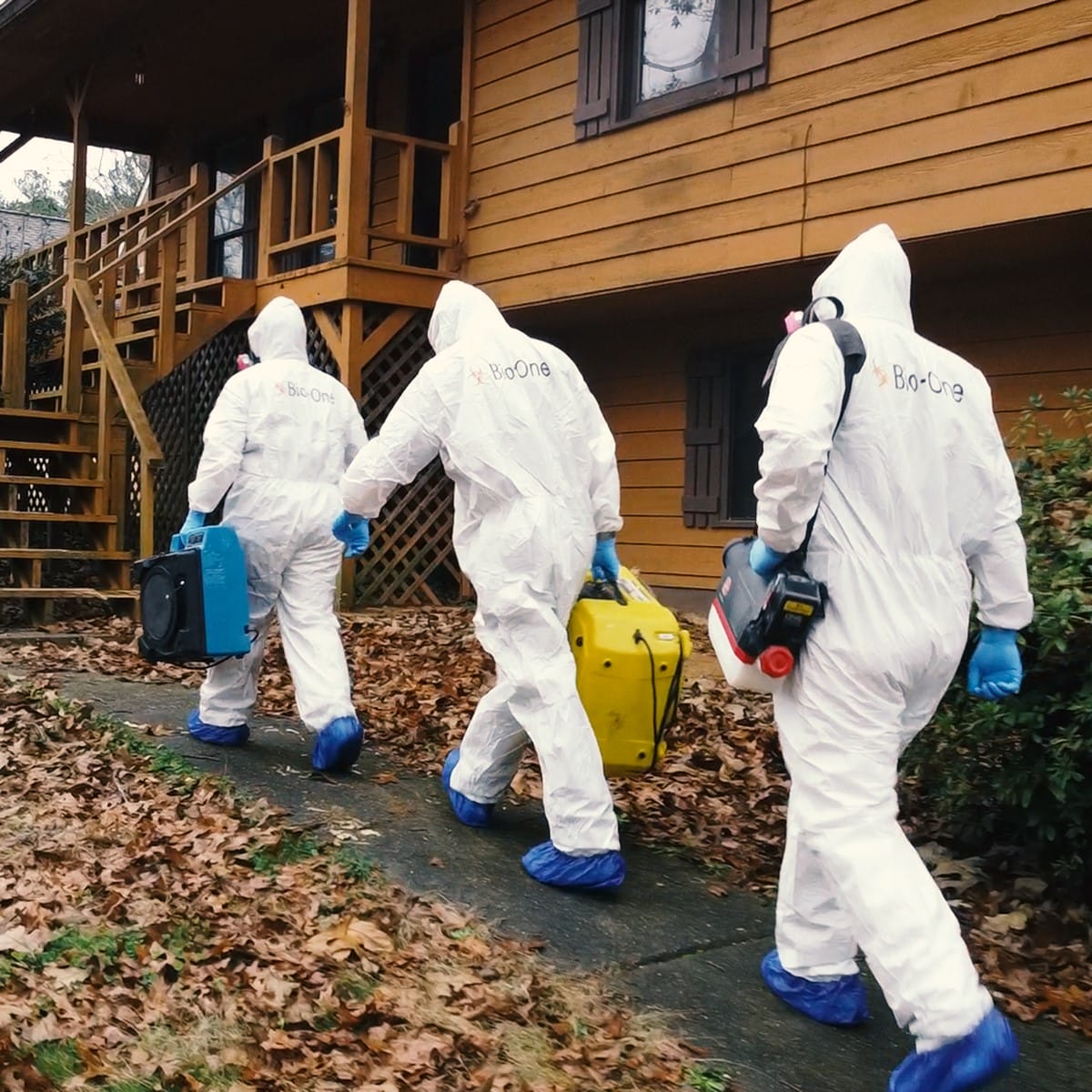
The role of professional cleanup teams is pivotal in managing the aftermath of incidents involving biohazardous materials, such as fatal accidents. These teams specialize in dealing with situations that require technical proficiency and a high degree of empathy and understanding.
Below are key points that expand on their role:
Professional cleanup teams play a critical role in the aftermath of fatality incidents. They offer their technical expertise in making areas safe and clean and compassion and understanding during a family's distress.
Their work is essential in helping communities recover from tragic events by ensuring environments are physically and emotionally restored.

The emotional impact of cleanup crews' work is profound, affecting not only the families of the deceased but also the broader community and the professionals themselves. While less visible, this aspect of their job is equally important to the physical cleanup.
Here are key points that highlight the emotional significance of their role:
The emotional impact of cleanup crews' work is a testament to the profound influence of care, dignity, and respect on the healing process. They embody the role of caretakers in the truest sense, not only through their cleanup efforts but also through the compassion and support they extend to those mourning the loss of a loved one.

The significance of addressing environmental and public health considerations after biohazard incidents cannot be overstated. Professional teams' prompt and thorough cleanup are pivotal in mitigating risks and safeguarding communities.
Below are key points that highlight the importance of these considerations:
The role of professional cleanup teams in addressing environmental and public health considerations is fundamental to the well-being of communities following incidents involving biohazards.
Through their expertise and dedication, these teams ensure that the areas affected by such incidents are promptly returned to safe, clean conditions, thereby protecting public health and the environment.
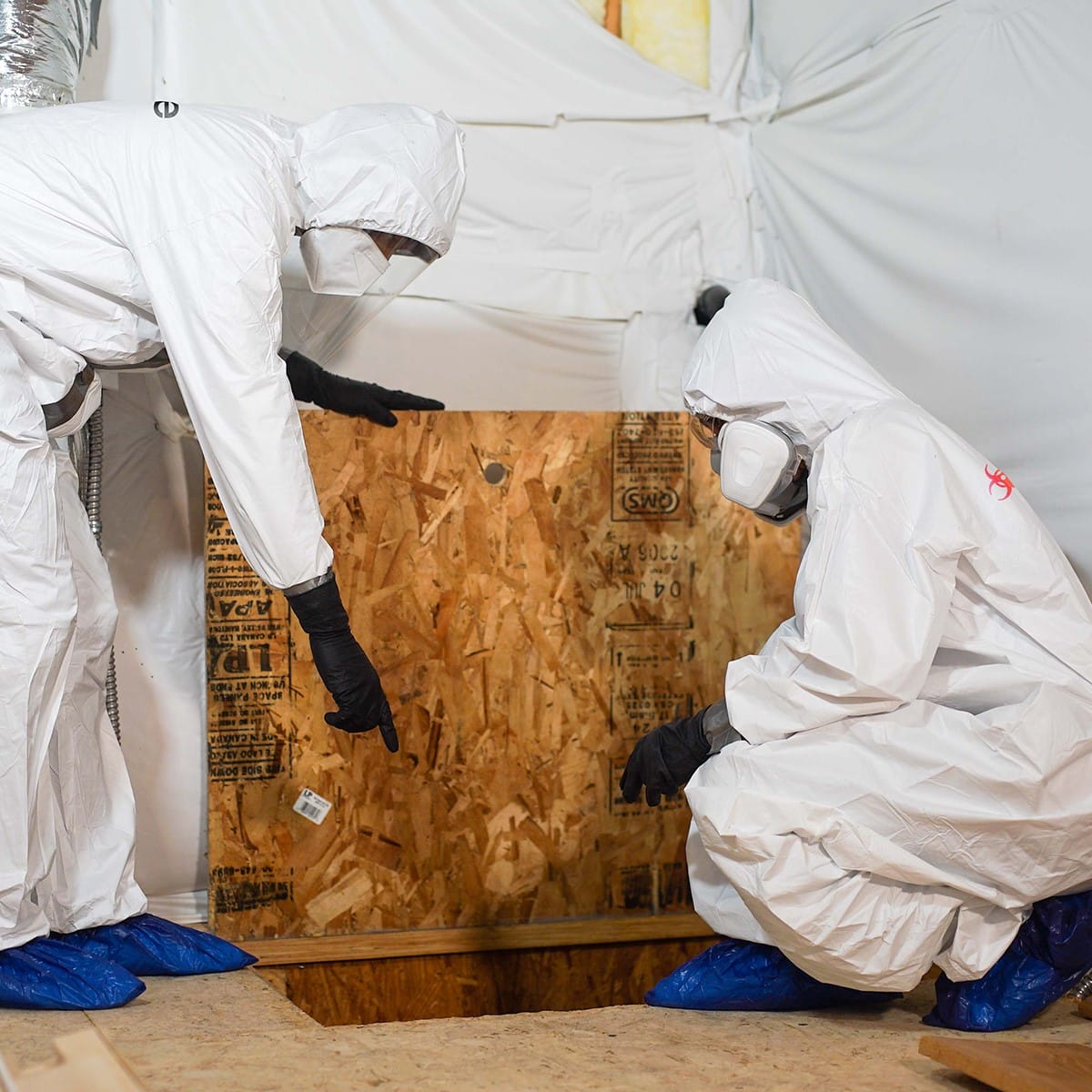
When faced with needing a professional fatal accident cleanup service, choosing the right company is crucial. This service requires technical competence, sensitivity, and respect for the emotional context of the situation.
Here are vital factors to consider when selecting a company for fatal accident cleanup:
Choosing the right fatal accident cleanup service involves evaluating their expertise, responsiveness, and sensitivity to the needs of those affected.
Considering these factors, you can select a company that will handle the situation professionally, compassionately, and respectfully.

Choosing Bio-One for fatal accident cleanup means opting for a service that combines expertise with empathy. This choice ensures a professionally cleaned area and a compassionate approach to the emotional distress such incidents can cause.
Bio-One stands out as the preferred choice for fatal accident cleanup. Its service respects the technical and emotional aspects of such difficult situations.
For immediate assistance with expert cleanup after a deadly accident, contact Bio-One of Durham 24/7 at (919) 800-9435 for discreet, compassionate services. Our local team is proficient and equipped to manage all traumatic situations effectively.
Tips when calling for cleanup.
A fatal accident is an unforeseen incident resulting in the death of one or more individuals, often leaving a significant impact on families and communities.
Common causes include traffic collisions, workplace incidents, fires and explosions, drowning, poisoning, and falls.
It involves removing biohazardous materials, thoroughly disinfecting the site, and restoring the area to a safe condition while respecting the deceased and their families.
Professional cleanup is crucial to eliminating the health risks posed by biohazardous materials, restoring the site to a safe state, and providing compassionate support to affected families.
Cleanup teams should be trained and certified in handling biohazardous materials, adhere to safety regulations, and demonstrate compassion and sensitivity.
Cleanup teams should be called as soon as possible to minimize health risks and restore the area for public access.
The cleanup must adhere to strict health and safety regulations, including those set by OSHA and the EPA, and ensure the disposal of hazardous waste properly.
Cleanup teams approach their work with compassion and sensitivity, offering support and ensuring that the cleanup process does not add to the distress of the affected families.
Families should seek services with experience, certification, quick response, compassionate service, comprehensive cleanup capabilities, and adherence to regulations.
Some companies offer aftercare support or can refer families to grief counseling and other services, providing holistic support beyond the cleanup.

There is no timetable on grief, so it’s impossible to say how long it will take for your life to begin to feel normal again.
There may be times when it feels like nothing will ever be right again, but try to remind yourself that this feeling is not forever. You will recover, it just takes time.
It’s hard to be patient with recovery, especially as life keeps moving on around you and pressuring you to continue as normal, but you deserve the time to heal and adjust from this traumatic loss, so allow yourself the time and space to do so.
There are, however, some things you can do to aid in your recovery process and ensure you are on the best possible path toward healing:

It may feel as though there’s nothing a therapist could tell you that you don’t already know, but therapists do a lot more than just talk. A good therapist can:
Professional help won’t cure your grief, but it can help you feel like you have more control over where the grief is taking you.
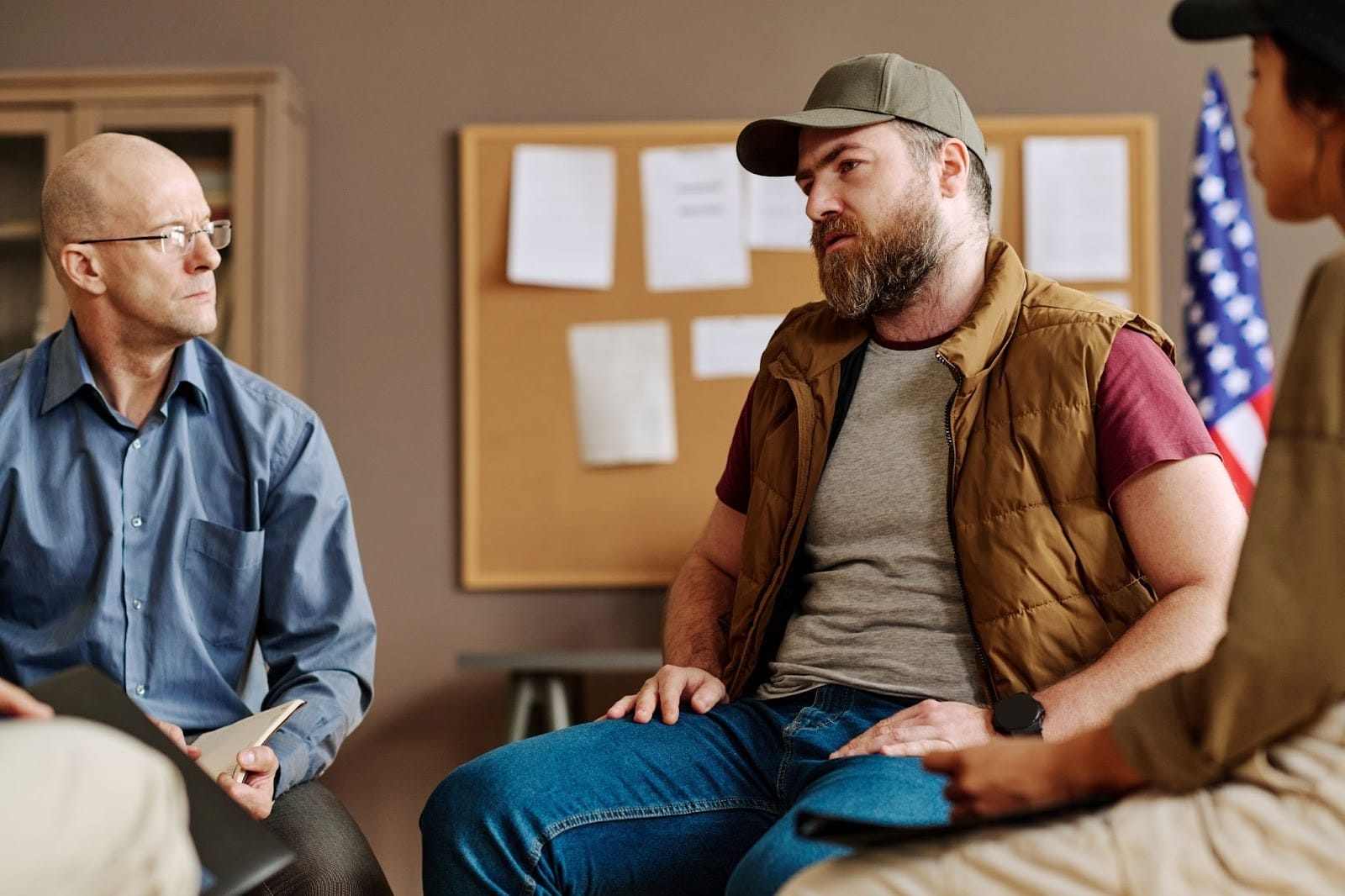
Because suicide is unfortunately so common, there are many survivors who are going through something very similar to you.
Finding a support group will help you to connect with them. Like therapy, this can give you a forum to work through complicated feelings—but more importantly it can help you feel less alone in what you’re going through.

Support groups are excellent, but it is also a good idea to form a tighter circle of support with those who are grieving the same person you are.
With this group you can share more specific feelings about the situation, as well as find positive ways to honor your loved one together.
Eventually you may find yourself laughing together over happy memories of the person, which is a huge and important step on the road to recovery.
Some people are able to find a greater sense of peace and understanding through personal faith practices.

Whether it’s organized religion or general spiritual practices, finding spiritual meaning in life and death can be hugely beneficial.
However, be aware that some religious belief systems condemn suicide as a sin.
Carefully consider whether these beliefs will aid in your recovery or if another faith would prove more forgiving and uplifting.
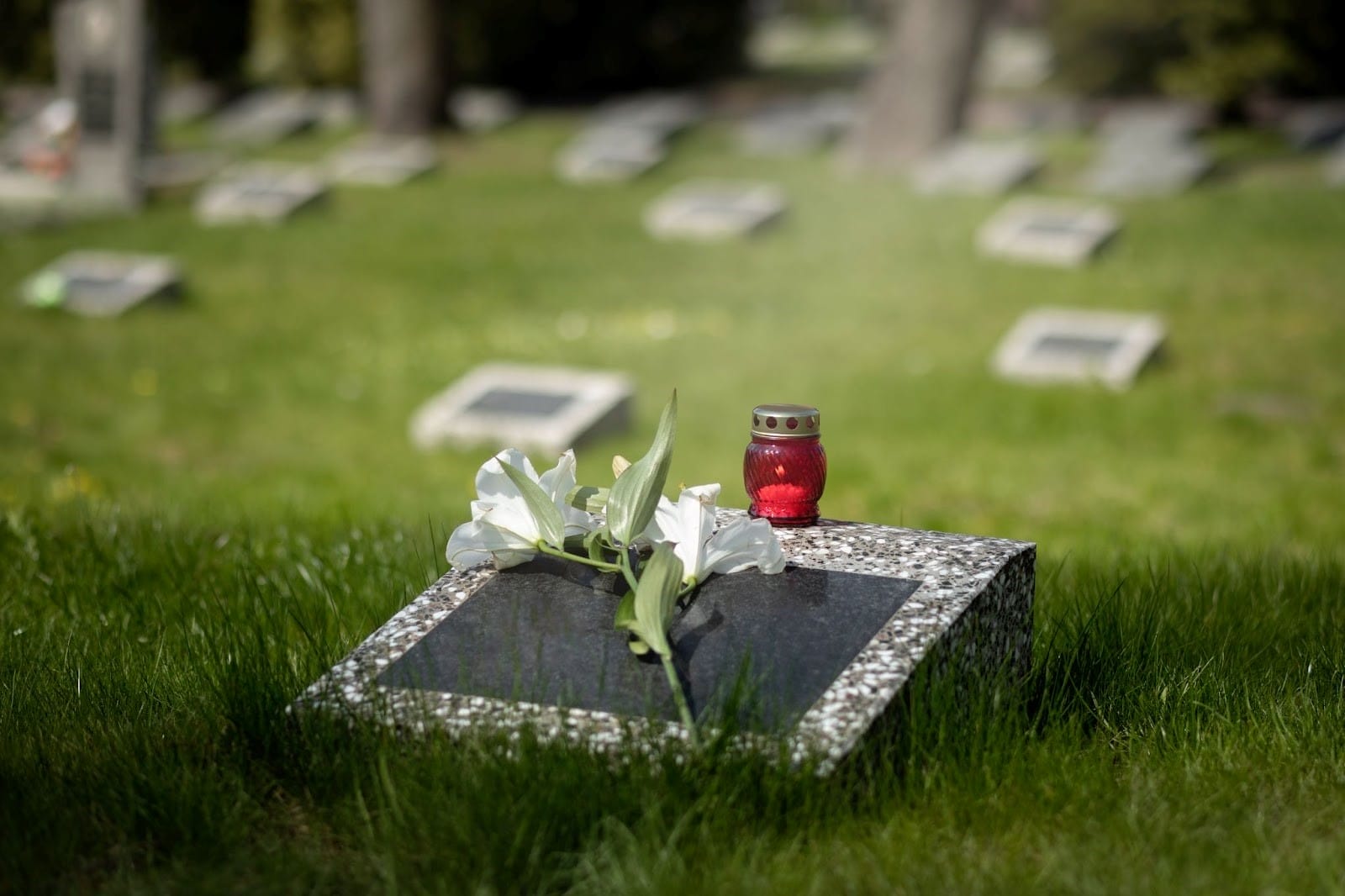
As time goes on, you may find that birthdays, anniversaries, and holidays are especially difficult. During these times, it can be helpful for you and other loved ones to find special ways to honor the person you lost.
These can be small acts, like sharing stories on holidays, or larger things, like celebrating their birthday. Mark the occasion with whatever feels right.
Beginning new traditions is a good way to keep your loved one close to you even as your lives begin to move forward without them.
Above all, community and connection are what will be most helpful in getting you through this time.

Resist the urge to disconnect from others. Do what you can to reach out. Be sure to accept the help of those who are reaching out to you.
There are a lot of other people going through the same tragedy as you, and you can support one another through this difficult journey.
There are also likely people who care about you that aren’t connected to the tragedy who you can lean on.
Even if you aren’t looking for someone to console you, sometimes finding distractions from the pain can be helpful in allowing yourself the space to heal.
In the wake of a suicide, there is often an increase in suicidal thoughts and impulses in loved ones as well. Often, these thoughts are a result of your brain trying to cope with the loss. It can become a genuine risk—particularly among families and friend groups with high rates of mental illness.
To kep everyone safe, have a close community of survivors and encourage everyone to be open with their feelings, especially about suicidal thoughts.
The more your community unites to support and protect each other, the better the chance of preventing this tragedy from happening again.

Your grief may have you feeling a little stuck in time right now—unable to move forward in any meaningful way. As time passes this will begin to ease and you will find yourself beginning to move on.
When the forward motion starts again, it is an instinct for some to try to hang onto their grief out of a sense of duty to the person they lost, or fear that letting go will mean forgetting.
The idea of truly moving on can be scary. If you’re struggling with the transition, volunteering your time to a cause dedicated to preventing suicide and supporting survivors like you can help to ease some of the guilt and fear.
Working to do some good in the name of your lost loved one serves as an excellent bridge to carrying on with your life while still keeping their memory with you.

There may still be bumpy roads ahead. Grief is complicated and can come in spurts and waves, but as you start feeling a little more whole give yourself permission to begin living again.
Little by little, life and joy will return to you, and though the ache may not ever fully go away, things will get better.
Suicide leaves deep wounds in families and communities. The scars will always be there. However, with time and support, you will be able to reclaim happiness for yourself and begin living again.

There is no right answer for how you should be feeling following the suicide of someone close to you.
Grief is complex, and it’s rare that any two people will experience it in the same way.
Just know that whatever you’re feeling is okay.
Some of the most common emotions people report feeling when coping with a loved one’s suicide include:

Especially in the early aftermath, it’s common for people to feel numb, disconnected, and distracted. This shock may last for a long time. You may feel a sense of detachment from reality until you are better able to process what happened.
Depression following a traumatic loss can be almost identical to the symptoms of clinical depression. There may be a lack of energy and motivation, difficulty sleeping, loss of appetite, and overwhelming sadness.
This may ease with time, but in some cases it can mark the onset of an ongoing depressive disorder.

Our brains often try to find someone to blame to protect us from the impact of a loss.
You may be angry at yourself or another loved one for not noticing or acting sooner, or at whatever systems you believe failed the victim.
You may even feel angry at the deceased person for abandoning you or for upending your life with their decision.

If the suicide took place after a long and difficult struggle with mental or chronic physical illness, you may feel a sense of relief that it’s over—particularly if their illness put frequent strain on their relationships.
This is more common than you think, and a lot of people experience this, but you may begin to feel like you’re a uniquely bad person for feeling this way.
This can easily cycle into guilt.
You may begin to convince yourself that you secretly wanted the victim to be gone or feel selfish for your relief over not having to care for them or manage their difficult emotions anymore.
Human relationships are complicated, as is grief, so try to remember that you are not the first person to ever feel this way. Relief does not mean that you’re happy they’re gone, just that you wish something could have been different while they were still around.

Loss can often feel senseless, and so you may fall into a cycle of “if only” to find reason for what happened. Guilt can also result from any other emotion you may find yourself feeling...
Guilt is complex and is perhaps the most common feeling for close loved ones of a suicide victim to experience.

You may experience one of these feelings overwhelmingly throughout your grieving process, or perhaps all of them in some capacity at different times. You may also be feeling something entirely different from any of these.
However your grief is manifesting, there is no wrong way to feel at a time like this. More importantly, you are likely not the only one feeling this way.

People tend to mask when they are feeling something they believe to be inappropriate for the situation, but if you are feeling confusion, guilt, and anger at this tragedy, it’s likely another loved one is struggling with the same feelings.
It may be helpful to talk to others who are experiencing this loss with you. Some may need more space to process their feelings on their own, but others can benefit greatly from sharing their feelings with each other and holding space for whatever emotions are brought to the table.
Finding solidarity in the way that you are grieving can make the process feel a lot less lonely.

Survivors often end up torturing themselves trying to understand why their loved one chose to end their life. It’s very easy to get caught up in replaying the last interactions you had with a person before their suicide to dig out clues that might help make sense of it.
The truth of the matter is that suicide is complicated with no singular explanation for why it happens.
However, a framing that may help it to settle a little better in your mind is this: At the end of all things, your loved one died of an illness.
Most, if not all, victims of suicide were suffering from an acute mental illness. Mental illness causes the chemicals and neurotransmitters in the brain to malfunction in ways they are unable to control.

It was their illness that caused them to feel the compulsion to end their life.
A huge factor of mental illnesses like Depression, Bipolar Disorder, Schizophrenia, and others are that they fundamentally distort a person’s perception.
In their book After Suicide Loss: Coping With Your Grief, Psychologists Bob Baugher and Jack Jordan explain:
“Medical research is also demonstrating that major psychiatric disorders involve changes in the functioning of the brain that can severely alter the thinking, mood, and behavior of someone suffering from the disorder…
The illness produces biological changes in the individual that create emotional and physical pain (depression, inability to take pleasure in things, hopelessness, etc.) which contribute to almost all suicides.”

Often people who suffer with suicidal ideation don’t actually want to die, they simply want the anguish or emptiness that their brain is inflicting on them to stop, and for some, death feels like the only way out.
It may feel like the only thing they can control in a situation that feels fully out of their control.
Mental illness is treatable just as any mental illness is treatable—but some people still succumb to their cancer even with treatment, while others recover and go on to live a full life.

Your loved one did not choose to become ill, and they would not have chosen to end their life had their illness not been pushing them to do so.
You do not need to wonder why their friends and family weren’t enough to keep them around, or why they would want to give up on whatever promising future they may have had. Illness does not have a sense of any of those things—and in the end, their illness is what ended their life.
Understanding this will not make the loss hurt any less, but it may help to reconcile some of the confusion so you can grieve a little more peacefully.

An unfortunate inevitability following a suicide is that you will probably have to tell a lot of people the news about what happened.
By this point you’ve likely already gone through the difficult process of informing immediate family members and friends.
However, it may also fall on you to inform the victim’s employer, teachers, or extended family who may have been out of the direct loop about why your loved one is no longer around. These can be emails if you are not feeling up to calling, and the messages can be direct and brief.

What may be more difficult to handle are conversations with members of your extended community.
In the aftermath of any premature death, people outside of the deceased person’s direct social circle will always want to know what happened. Obituaries often leave out the cause of death, so there will be a lot of questions.
Approach these discussions however you need to.
Many survivors find it helpful to just be straightforward with anyone who asks, but you are not obligated to be. Do not feel as though you are being difficult or unpleasant if you need to tell someone you don’t want to discuss it.
If they were not close to the victim, then all they truly need to know is that the person died.
People will be curious, but they are not owed your limited emotional energy.
Become comfortable with saying no.
If you are struggling with thoughts of suicide or self-harm, you are not alone.
The number of people who experience suicidal ideation in the U.S. every year numbers in the millions. You are not selfish or a bad person for feeling this way.
Be assured that most people who experience moments of intense suicidal feelings are able to recover and live fulfilling lives.
Hold that in mind and keep reading. Let’s take a moment to take stock of your situation:
If you have already tried to self-harm today or are feeling intense suicidal urges, call 911 immediately or have a friend or family member get you to mental health urgent care or an emergency room.

If you have not yet tried to harm yourself but are feeling strong suicidal thoughts or urges to self-harm, please contact a crisis counselor right away:
Fully recovering from your suicidal feelings will require long-term help, but your focus right now should be staying safe through your current suicidal episode.
If you have not yet reached crisis point, here are the steps you should follow to stay safe while you weather the current storm:

If you are experiencing persistent suicidal ideation of any sort, reach out to someone you trust as soon as possible and tell them how you are feeling. Even if you are not likely to hurt yourself right now, having somebody who knows what you are struggling with will make it easier to get help.
You may not feel like there’s much the other person can do, or you may not want to worry them. Try to remember that your perception of your own worth is distorted when you are suicidal.
You are not a burden. You are worthy of help. The first and most important step to keeping yourself safe is to reach out to a friend, family member, or medical professional who can provide you with that help.

Once you have somebody you trust, get their help to remove anything dangerous from your presence. Your trusted person can hold onto any knives, firearms, pills, chemicals, or anything else you could use to harm yourself until you feel safe again.
This is easiest if you have a cabinet or safe where you can lock everything up and turn over the key to your loved one. But any means of keeping these items out of your hands is better than nothing.

Giving yourself a sensory distraction of some sort can help to calm the immediate impulse to self harm. Listen to music, take a walk, lay on the floor (yes, that can be enough), or pet an animal.
If the urge is acute, sensations that are intense but not harmful such as placing ice cubes on your skin can help to keep it at bay. If you just need to divert your attention until the worst of the feelings pass, something mundane and harmless like a movie, game, or craft might help keep your mind occupied until you feel safer.

If you are currently safe but feel your situation may escalate toward self-harm, work on creating a plan in case you enter crisis mode and can’t think clearly.
Save.org has provided this excellent safety plan template where you can write down the steps to follow and people to contact if you start going into crisis. Share this plan with your loved ones, doctors, trusted religious leaders, or anyone else you think might be able to recognize when you are in distress and can take action.

Once the episode has passed and you are in an okay place, you should try to secure some help toward your long-term recovery. It is time to make an appointment with a doctor or mental health professional so they can help you work toward feeling better.
If you are severely depressed, you may be unable to motivate yourself to go through all the necessary steps of scheduling and attending an appointment. It is okay to ask for help with this. You are not a burden. Don’t hesitate to lean on someone in your life to set up your appointment for you, and even to help you get there if necessary.

If financial hardship or other barriers to your seeking mental health treatment are already one of the contributing factors to your suicidal thoughts, do not let these instructions discourage you.
No matter your situation, there are resources for you on both national and local levels. Here are some of the options that may be available to you:

Most states have some level of community mental health services. These can usually be found through the Department of Human Services on your state’s website. Private non-profits can also offer free or sliding scale mental health treatment. A good place to start is your local YMCA or similar community center.

Many churches provide support resources for their congregations. Your church leaders may offer free individual counseling for those who need it. Some congregations may be willing to provide financial assistance to members who need help seeking treatment.
It is also very common for religious communities to sponsor support groups or group therapy. These are often open to the general public, so you do not need to be a member of the congregation or be religious to attend.

There are widely available resources online for people experiencing feelings like yours. Free crisis chat lines are obviously a good place to turn if you are in active distress.
For the process of recovery, many online therapy platforms offer reduced rates for those who are struggling financially. Online support groups can also provide a lot of connection and stability in times of need.
If you are a student, your university almost certainly has a resource center where students can receive mental health assistance. Whether they can provide you counseling on site or help you get in touch with affordable outside treatment, your school can be an incredibly helpful resource.

There are training clinics for every sort of medical practice, from family medicine to mental health, and they often operate at much more affordable rates than other clinics.
The training physicians there are in the final stages of earning their degrees and are overseen by more experienced attending physicians, so the standard of care provided will be exactly the same as anywhere else.
Most people don’t realize how often mental health clinics are willing to work with people who are financially insecure so they can still have access to the treatment they need. Especially if you have been struggling with thoughts of suicide, don’t hesitate to ask a nearby clinic if they can help you work something out.
Once your medical needs are taken care of and you are feeling a little more stable, you can begin to take other small steps to help in your recovery. Small things like reestablishing interest in your hobbies and improving your self-care habits can begin to make a huge difference in how you feel on a daily basis.

Larger steps involve things like finding a broader community of support among others with experiences similar to yours. These can help you progress in your recovery without shame—and provide plenty of support to fall back on in case things ever get difficult again.
Things may seem dire and hopeless right now, but they can and will get better. It is always okay to ask for help and to seek out a new support system if yours has failed you.
Once again, if you are in crisis, don’t hesitate to contact any of these resources:
No matter what you’re feeling right now, you will get through this with time and help. Life will begin to feel kinder and a lot more manageable.

The first step to suicide intervention is recognizing warning signs.
Once the signs have been recognized, it’s equally important that something is done about it. We’re here to help you understand what you can do, what will help, and what to avoid.
People who are struggling may not be very forthcoming about feeling suicidal. However, there may still be signs that might help loved ones know when to approach them with support or intervention.
Major warning signs someone may attempt suicide include:
These indicators are serious and require intervention, but may not be an immediate emergency. However, if the person is directly threatening suicide, posting on social media about death or suicide, or researching or seeking access to methods of suicide, call 911 immediately. *

* Threats of suicide should always be taken seriously, but if they are coming from an abusive partner—especially if you are trying to leave—take measures to secure your own safety first. A suicidal abuser may also try to harm their partner before taking their own life. Get to safety and contact emergency services.
Signs can be subtle, or even misleading, so don’t blame yourself if some things slip your notice and things come to a crisis point. Do your best to invest in your close relationships so you can more easily notice when something is off. This is especially important if your loved one is experiencing mental illness.

No matter the circumstances, understand that missing signs does not mean you have failed them.
It is sometimes the case that a person who has been depressed or in crisis for a long time will suddenly become uncharacteristically calm or upbeat if they have decided to attempt suicide. This can happen because they feel they have found a simple resolution to their problems and that an end to their suffering is in sight.
This is why it is so important for loved ones to be aware of the person’s feelings and behavior patterns so they might recognize when a sudden positive change in mood may be cause for concern.
If you have noticed warning signs in your loved one but they have not spoken to you directly about feeling suicidal, the next step is to speak to them. Starting a dialogue can feel awkward or invasive, but your willingness to talk may give the person permission to speak where they previously felt they couldn’t.

Some questions to ask to start a conversation may include:
These questions can help you assess how serious the danger is and respond accordingly.

The knowledge that a loved one may be at risk of suicide can be overwhelming. Whether they have directly confided in you about their struggles, or you have noticed concerning behavior from them, it can be difficult to know what to do next.
The first thing to know is that your intervention is already a big step toward keeping your loved one safe. Your response may not be perfect, but your willingness to act on their behalf is already going a long way toward bringing them the support they need during this time.

There are a few things to avoid when intervening with someone who is feeling suicidal.

Once you have talked to your loved one about their suicidal thoughts, it is important not only to take action, but to follow through no matter what. Even a person who is willing to seek help may not have the motivation or ability to do so on their own, so your own motivated support is crucial.
If the threat is not immediate, you can start by helping your loved one find a doctor or mental health professional to get them on a path to recovery. You may need to go so far as to make the first phone call, or even to take them to their appointment.
People suffering from severe depression have a difficult time following through on these things, so it may be up to you to make sure the initial steps toward seeking help are executed.

If your loved one has told you about their plans to take their life:
Don’t keep secrets. Even if it was told to you in confidence, and even if they are upset with you for telling, their safety is far more important.
Reach out for help. If you are not in a direct position to help and monitor your loved one, contact someone who is.

If they are a minor, contact parents and school counselors, as well as any other trusted adults in their life.
If they are an adult, contact partners, roommates, close family members, or any others who may be in a position to help you keep track of the person and find them help.

Remove access to dangerous items. If you are directly responsible for the person, you can help ensure their safety while you work on getting them help by staying aware of their location and restricting access to any means of self-harm (pills, weapons, access to heights or busy roads, etc.).
Though suicidal ideation and planning may be ongoing and persistent, the crisis period during which someone is likely to actively attempt suicide is usually short. Until it passes, this is the most important time to provide support and reduce access to lethal means.
Finally, if at any point you suspect the situation has escalated to become an emergency, don’t hesitate to call 911. You can also call the 988 Crisis & Suicide Prevention Lifeline for guidance on what to do in your specific situation.
Suicide can be prevented. The more quickly a person’s loved ones notice and take action toward helping them, the more likely they will be able to get the help they need. However, please remember, it is not your fault if your loved one dies by suicide. No matter the outcome, your efforts are important, and your support could save a life.
Suicide is an incredibly complicated issue.
There are an overwhelming number of contributing factors, and it affects every demographic regardless of age, race, or social class. Factors affecting certain communities may, however, lead to higher suicidal ideation and behavior within those demographics.

In the United States, suicide is the third leading cause of death among people aged 15-24, and it is estimated to claim the lives of roughly 125 Americans every day. Risk factors are many and varied. They include, but are not limited to:
Statistics can be misleading on which demographics are most at risk of suicide. Among the highest-risk groups overall (teenagers and young adults), females are almost twice as likely to attempt suicide but males make up the majority of actual suicides.

This is due to a handful of different factors, most significantly social stigma preventing many males from seeking help when experiencing distress.
The likelihood of a teenager or young adult attempting suicide also rises significantly if that person is a member of the LGBTQ+ community, especially if they are lacking sufficient family or community support.

The risk can be greatly reduced if a person is surrounded by family or friends who are openly supportive and affirming of their sexuality or gender identity. Even more so if medical and community resources for helping them understand and affirm their identity are widely available.
Overall, in the U.S. there are around 45,000 suicides each year out of 1.1 million yearly suicide attempts. There are many organizations dedicated to keeping that number on a steady decline, including:

Overwhelmingly, the best means of early suicide prevention are:
These methods are not guaranteed, and there is still a very long way to go in managing this complex and serious public health issue, but education and awareness are an important first step.

No matter how overwhelming it may feel, intervention IS effective, and the more we continue to do so, the more lives will be saved. If you or a loved one are currently struggling with thoughts of self-harm, please stop right now and dial 988 on your phone, or text HOME to 741-741 to speak with a crisis counselor.

Suicide is currently an incredibly pressing issue in our world. In the United States, suicide is the third leading cause of death among people aged 15-24, and it is estimated to claim the lives of roughly 125 Americans every day.
With so many suffering in our country, and others suffering from mental illness and suicidal thoughts, it is important for all of us to know how to recognize when someone in our life is at risk of suicide.
However, it is not always readily apparent when someone is struggling with self-harm or planning to take their life. The signs can be subtle and easy to miss. We hope this guide can point out some things to look for so you can recognize when intervention is necessary.
Your awareness may save a life.

There is no singular cause of suicidal ideation or behavior. A variety of situations or life circumstances may be the catalyst for someone wanting to end their life. Risk factors include but are not limited to:

In most of these circumstances, severe mental illness is present—which can make the other issues all the more difficult to handle.
For someone who is suffering from one or more of these factors, it may feel like the only way out is to end their life. They may also feel their struggles make them a burden on others and that it would be better for everyone if they were gone.

There is no definitive way to determine who is most at risk. However, factors affecting certain communities may lead to higher suicidal ideation and behavior within those demographics.
No matter what, having access to support from family and community is a major factor in improving the odds of survival and recovery for a person struggling with suicidal ideation. This makes it crucial for as many people as possible to know how to recognize the signs and intervene.

As previously mentioned, it is not always obvious when someone is struggling. A person who is feeling suicidal may not be very forthcoming, especially in communities where mental illness and suicide are not often discussed in a supportive manner.
Even so, there are some common signs to watch for that may indicate a loved one is in need of support or intervention.
Major warning signs someone may attempt suicide include:
These signs may or may not indicate an imminent suicide attempt, but they should be taken very seriously. Action should be taken as quickly as possible to provide individuals with these indicators of support and to help them find professional help to improve their situation and outlook.
There are likewise a few signs to watch for that may indicate the person is in immediate danger, including:

Any of these three signs should prompt you to immediately reach out to a mental health professional or to call or text the 988 Suicide & Crisis Lifeline for instructions on how you should respond.
If you become aware that the person is in crisis and immediately at risk of harming themselves, call 911 or bring them to an emergency room right away.
Don’t second guess your concern if you see these signs. No reaction is an overreaction when it comes to keeping your loved one safe.
Overwhelmingly, the best means of early suicide prevention are:

If your loved one has reached out to you for help, or if you have noticed any of the warning signs and the situation is not yet an emergency, the next steps are to begin intervention.
Talk to your loved one. If they have not yet confided in you, ask if they have been thinking about suicide, and listen without judgment as they talk about how they are feeling.
After establishing the need for help, involve other trusted members of the person’s family or community to create a support network for them as they navigate this difficult time.
Ultimately, anyone who is struggling with suicidal thoughts or behavior should receive help from a mental health professional.

Their current state of depression or hopelessness may not allow them to seek this help on their own. As part of your intervention, you may need to help them make an appointment with a professional and follow up. This help can ensure they are able to properly begin their road to recovery.
For more information on effective intervention and prevention, you can refer to our guide to effective suicide prevention here.
Every year in the United States alone, around 45,000 people die by suicide. This number represents an epidemic marked by an unprecedented rise in the number of suicide deaths in the U.S. since the early 2010s.

Suicide is an incredibly complicated issue. There are an overwhelming number of contributing factors, and it affects every demographic regardless of age, race, or social class. The prevalence and universal nature of suicide merit far more discussion nationwide. Unfortunately, because it is such an unpleasant and difficult issue, it remains a taboo topic in many communities.
In the face of such overwhelming statistics, it may seem impossible to make a difference. However, through awareness and effort, individuals and communities can work together to exponentially reduce suicide.
Effective suicide prevention happens at many different levels, ranging from individual to systemic, but direct prevention begins at the individual level.
This post will take you through effective steps you can take if you or a loved one are at risk of suicide or self-harm.

Suicide intervention on an individual level most often comes from the friends or family of someone struggling with suicidal feelings. However, it’s important to note that it can also come from the person struggling as well.
Not every individual experiencing suicidal thoughts or behavior will have the ability or the desire to intervene on their own behalf. But, if you are having thoughts of harming yourself, you don’t need to feel helpless in your own intervention.
Your life and your agency matter. If you feel capable of reaching out, you can start the ball rolling on your recovery and maintain some control over how and from whom you receive help.

Here are some steps for effective suicide prevention for yourself:


The Suicide Prevention Resource Center has provided this excellent safety plan template where you can write down a plan for if you enter crisis mode and are unable to think clearly. Share this plan with someone you trust who can recognize when you are in crisis and take action.
If you are in crisis and need help immediately, call 911 or have a friend or family member get you to mental health urgent care or an emergency room.
A suicidal person may not be capable of reaching out for help on their own. In those cases, it can fall to a friend or relative to notice the signs and intervene.

Here are some steps for effective suicide prevention for a loved one:

This is not the time for tough love. Do not try to convince the person that their problems aren’t that bad or that they are selfish for wanting to take their life. They need to know you are not disappointed in them for feeling this way and that you are taking their struggle seriously.

Your loved one may be too depressed or paralyzed to take action toward healing on their own, so they may need your help to take steps for long-term prevention as well. If so, it is crucial that you follow through on finding reliable help for them from your community or a professional.

Whether it’s yourself or a loved one, a suicidal crisis can be a scary thing to navigate. That’s why we at Bio-One hope this guide will help you know how to intervene to keep yourself or the people you love safe.
Part of our mission is to provide community resources. That’s why we dedicate so much of our time to projects like this. We want to create a future where we never have to answer another suicide call again.

Usually when an issue becomes large enough to classify as an epidemic it becomes a central topic of discussion. Unfortunately, many of us don’t quite know how to handle ourselves when it comes to conversations around suicide.
Suicide as a topic of discussion is somewhat of a taboo in our society for a number of reasons.
Many people are uncomfortable talking about death in any regard. The same can be said for the topic of mental illness. Because discussions about suicide usually require talking about both, the subject is often avoided outright.

This stigma can be incredibly isolating.
For someone struggling with thoughts of suicide, it may prevent them from reaching out for help or talking about how they are feeling. For those who have recently lost a loved one to suicide, they may likewise feel unable to reach out for support.
One of the best means of prevention and support for both victims and survivors is open conversation. We owe it to our communities to get better at talking about suicide. Here are some steps we can all make in the right direction in order to end the stigma.
Destigmatizing the conversation around suicide requires, first, confronting some of the unhelpful ways we speak and act about it. Before we can change the conversation, here are some of the things we need to stop doing:

When speaking about suicide, it’s important to recognize that it’s impossible to know who might be struggling.
There is no singular type of person who struggles with mental illness or suicidal ideation. Implying that suicidality should look or present a certain way may increase the feelings of failure and isolation in those who don’t fit the mold.
Often the language around suicide frames it in a way that paints it as criminal or selfish.
This kind of thinking can make people struggling with suicidal thoughts feel ashamed and hesitant to tell anyone they are suffering. It can also make surviving friends and family hesitant to talk about what they’re going through out of fear that their loved one will be judged for taking their own life.

Many people report that after they reach out about struggling with suicidal thoughts people around them start treating them differently. It’s common for members of a family or community to tread extra carefully around a suicidal person as if saying the wrong thing might set them off.
This does not go unnoticed and makes it harder for sufferers to be willing to reach out the next time. Similarly, it can make survivors of suicide feel like their grief is inconvenient or that they are being overemotional.
Reject the idea that depression or grief makes people too fragile to treat normally.

It is never helpful to tell anyone who is struggling for any reason that their pain is insignificant compared to others in the world.
Mental illness affects people regardless of their life situation.
Their pain is real whether or not you think they should be feeling it.
Minimizing will add guilt and only make a person feel worse.
Avoiding discussion of suicide when someone is struggling or has suffered a loss is never helpful. Dodging the topic and pretending everything is fine won’t make the problem go away.
If we stop treating suicide like a dirty word, it will be easier for people to talk about it when they need help.
Knowledge can go a long way toward improving the way we talk about suicide. If you are interested in becoming more comfortable with the topic, a good place to start is learning more about it.

There are many incredible resources that speak in plain language about suicide in a way that is helpful in knowing how to approach the topic. Here are some helpful links to get you started:

As you become more informed, normalize speaking about mental health and suicide in your social circles.
If you have struggled with your own mental health, be willing to speak openly about it. It’s more than likely that others have had similar struggles but have felt alone because of stigma.
Even the way we speak about victims of suicide can be improved by normalizing discussion.

We should be willing to talk about those we have lost to suicide in a way that acknowledges their experience without judgment.
Some people worry this sort of discussion may encourage others to act on their own suicidal thoughts. In fact, the opposite is true.
Open and empathetic acknowledgment of the pain of the victim and the pain of their loss can embolden others to reach out for help without fear of judgment.
One of the best things you can do to destigmatize the discussion of suicide is to become comfortable with asking and listening.

If you suspect somebody is having a difficult time, make it a normal practice to ask them sincerely about how they’re feeling. If they feel you are a safe person to be vulnerable with they are more likely to open up.
Listen to them without judgment and with the intent to understand.
Treat anybody who opens up to you about mental illness or grief as if it is perfectly normal for them to do so. The more calm empathy people receive, the easier it will be for them to talk. The more people someone is able to talk to, the bigger their support system and the better their chances of recovery.
Another important resource built around listening is the 988 Suicide & Crisis Lifeline. This free resource is for anyone experiencing a crisis and it connects people with skilled crisis counselors who listen and provide immediate support. For more information, visit 988lifeline.org or read our dedicated article.
As you become more comfortable speaking about suicide in your own social circles, you can use your voice to help others.

Speak up to advocate for better support and resources in your community.
The more community members and leaders are made aware of the prevalence of suicide, the greater the call will be for improved conversation and support for those who are struggling.
— Whether it’s yourself or a loved one, a suicidal crisis can be a scary thing to navigate. That’s why we at Bio-One hope this guide will help you know how to intervene to keep yourself or the people you love safe. We want to create a future where we never have to answer another suicide call again.